


ANXIETY THERAPY CALGARY
"I'm scared that anxiety is just who I am now."
Is constant worry, racing thoughts, and panic making you miss out on life?
When your body feels tense and your mind won’t stop racing, you don’t have to carry it on your own. At Compassionate Central, our anxiety counselling offers calm, steady support that meets you where you are.
Together, we take things step by step—focusing on what feels manageable right now, while building practical skills you can trust in daily life. Whether it’s finding steadier sleep, learning ways to quiet spirals, or simply having a safe space to breathe, you’ll be supported with care that blends compassion and proven strategies.


Trusted & Verified by:

THE SIGNS OF ANXIETY
How Do I Know if Anxiety Counselling is Right for Me?
-
Do persistent “what-if’s” leave you feeling overwhelmed, on edge, or unable to switch off
-
Are frequent thoughts of anxiety pulling you out of the moment, creating social unease or performance anxiety?
-
Do uncomfortable physical symptoms—shortness of breath, increased heart rate, shakiness, stomach upset—spike during a panic attack or stressful events?
-
Are you avoiding plans (meetings, calls, driving) because of anticipatory anxiety, social anxiety, or fear of an anxiety attack?
-
Is sleep tough—trouble falling asleep, staying asleep, morning fatigue—and are sleep issues hurting your quality of life?
-
Do you find yourself concealing anxiety at work or home—“high functioning anxiety”—while feeling hopelessness, helplessness, or a sense of being trapped inside?
Other Anxiety Symptoms Include:
According to the National Institute of Mental Health (NIMH), anxiety disorders commonly show up as persistent, hard-to-control worry about everyday matters; feeling keyed up, restless, or “on edge”; irritability; trouble concentrating or the mind going blank; difficulty relaxing; and sleep problems that leave you fatigued. Physical symptoms are frequent and can include muscle tension and aches, headaches, stomachaches or other GI discomfort, trembling or twitching, sweating, feeling lightheaded, shortness of breath, or even trouble swallowing. Many people also have sudden bursts of intense fear (panic attacks) with a racing or pounding heart, chest pain, choking sensations or breathlessness, chills or hot flashes, shaking, tingling, dizziness, nausea, and a sense of losing control or impending doom—often followed by worry about the next attack and avoidance of places where it happened. In social or performance situations, anxiety may look like blushing, sweating, a rapid heartbeat, rigid posture or an unusually soft voice, nausea or a “blank mind,” difficulty making eye contact or talking to unfamiliar people, and an overpowering fear of being judged.
If you’re in Canada and struggling with thoughts of suicide or feeling at risk, please reach out to 9-8-8 right away for immediate help, or access support through our Calgary Crisis Line resource page.
"Anxiety isn't something to be ashamed of; it just means your body is working overtime to keep you safe. Together, we can learn new ways to rebuild your calmness and confidence."
ANXIETY TREATMENT SUPPORT
When the Safety Alarm Gets Stuck on “High”
Anxiety doesn't mean there is something wrong with you; it’s your nervous system’s built-in alarm doing its best to protect you. In healthy doses, that alarm sharpens focus, nudges preparation, and helps you respond to life’s demands. It only becomes overwhelming when the dial gets stuck on “high,” making ordinary moments feel urgent or unsafe. That overactivation is a human response to stress and threat—not a character flaw. Knowing this matters: you’re not “too sensitive” or “overreacting”; your brain and body are running an ancient safety program that’s temporarily miscalibrated. [1]
When the alarm is turned up, the body speaks loudly: a racing heart, tight chest, shaky hands, stomach flutters, restless sleep, a mind that loops through “what if…?” These sensations can be scary, but they’re common features of anxiety—signs that your system is trying to keep you safe, not evidence that you’re broken. Understanding the biology reduces shame and fear, which is the first step toward relief. [2] [3]
You’re also far from alone. In 2022, more than five million people in Canada—about 18% of those aged 15+—met criteria for a mood, anxiety, or substance use disorder in the previous 12 months. Anxiety disorders are among the most common mental-health concerns across North America, affecting a significant portion of adults at some point in life. These numbers aren’t meant to minimize your experience; they normalize it. Many people who look “put together” on the outside quietly manage the same battles—and many recover with support. [4] [5] [6]
Why does anxiety stick? A mix of factors can nudge that internal dial: temperament and genetics, life stress or trauma, health changes, and learned patterns like avoidance that accidentally teach the brain “this must be dangerous.” Even the science of arousal suggests there’s an optimal zone where some alertness helps us perform, while too much pushes us into overload—again, a normal human curve, not a verdict on your worth. The hopeful part: evidence-based therapies help recalibrate the alarm and rebuild trust in your body and choices. With our Calgary Counselling and Therapy Services, we meet you with warmth and clinical skill so change feels safe, paced, and possible—because nothing about you is broken; your system just needs kinder instructions. [7] [8]


now
Compassionate Central
Are you ready for in-person care where every step is planned with you—no surprises—so your nervous system relearns safety at a pace that truly fits?
now
Compassionate Central
Would you like a Calgary anxiety therapist who explains clearly why you feel this way and turns that understanding into simple steps you can practice this week?
now
Compassionate Central
What would life look like if anxiety didn’t call the shots—coffee with a friend, a calm commute, a night you actually sleep through?
THERAPY FOR ANXIETY
Anxiety Therapy Can Help You Move From Avoiding to Living Again
Anxiety often says, “This is just who you are now.” It isn’t. With the right support, your nervous system can relearn safety and your days can feel lighter, steadier, and more spacious. Therapy doesn’t ask you to “just relax”; it gives you a safe place to understand what’s happening and practical ways to respond differently—so life opens back up. [1] [2]
Here are the kinds of changes people typically notice as therapy progresses:
-
Calmer body, clearer mind. Physical spikes (racing heart, tight chest, stomach flips) feel less frightening and pass faster. You spend less time in “threat mode,” which clears mental fog.
-
Fewer spirals, more control. Worry loops shorten. You can pause, choose, and redirect—rather than getting swept away by “what-ifs.”
-
Less avoidance, more living. You return to things anxiety shrank—driving, travel, social plans, emails, workouts—by taking doable steps that rebuild confidence.
-
More restorative sleep. Falling and staying asleep becomes easier as bedtime anxiety drops; mornings feel less daunting.
-
Steadier focus and productivity. It’s easier to start tasks, finish them, and shift gears without the constant second-guessing.
-
Improved relationships. With fewer anxious reactions and more self-awareness, there’s more patience, presence, and honesty—less reassurance-seeking and conflict.
-
Self-compassion over self-criticism. You talk to yourself more kindly, bounce back from setbacks faster, and stop treating sensitivity as a flaw.
Progress is measured collaboratively so you can see what’s changing, adjust what isn’t, and celebrate what is. Setbacks are expected and workable; they become chances to practice, not proof of failure. Most importantly, you won’t do it alone—anxiety therapy in Calgary can offer warmth, structure, and steady encouragement while you build a life with peace of mind.
"There is hope, even when your brain tells you there isn’t."
TYPES OF ANXIETY COUNSELLING
How the Effective Treatment of Anxiety Disorders Work
What to Expect for Anxiety Therapy
First, we get a clear map—together. Your first sessions focus on understanding how anxiety shows up in your life: triggers, body cues, thoughts, and what you’ve already tried. We’ll set goals you care about (sleeping better, driving again, fewer “what-ifs”) and use brief, validated questionnaires like the GAD-7 to track progress so you can see change over time. Measurement isn’t about labels; it’s about making sure therapy is working for you. We work with adults in Calgary and include a free 20-minute consult so you can get a sense of our approach. Sessions are $150 per 60 minutes (sliding-scale spots available) and are covered by many Canadian insurance plans. Our treatment model combines direct counselling, collaborative sessions, and a strong therapeutic alliance. [1] [2]
Below are some of the forms of anxiety therapy that promote relief:
CBT helps you spot the loops that keep anxiety cycling (catastrophic predictions, unhelpful interpretations, safety behaviors like avoidance) and replace them with balanced thinking and approach behaviors. Decades of research—including large reviews and meta-analyses—show CBT reliably reduces anxiety symptoms and improves day-to-day functioning across generalized anxiety, panic, social anxiety, phobias, and more. In practice, you’ll test predictions, schedule “worry time” instead of worrying all day, and take right-sized steps toward what matters. [3] [4]
IFS (Internal Family Systems)
Many clients say, “Part of me panics, part of me knows I’m okay.” IFS gives those parts a respectful place in therapy so you can lead with more calm, compassion, and clarity. The evidence base is growing: randomized and pilot studies in medical and trauma populations report symptom reductions and improved regulation; we use IFS elements to soften shame, reduce inner conflict, and unhook from over-protective patterns that fuel anxiety. [5] [6]
DBT (Dialectical Behaviour Therapy)
When anxiety rides in on big emotions, skills from Dialectical Behavior Therapy (DBT)—mindfulness, distress tolerance, emotion regulation, and interpersonal effectiveness—give you tools for the spikes. Research shows that improving emotion-regulation skills is linked with better outcomes in anxiety and related conditions, and transdiagnostic DBT-skills groups show promising results for emotional dysregulation and social anxiety. You’ll build a portable toolkit you can use at 3 p.m. in a meeting or 3 a.m. in bed. [6] [7] [8]
Exposure Therapy
Avoidance brings short-term relief but long-term stuckness. Exposure is a structured, collaborative way to face the people, places, and sensations you fear—so your brain can update its danger story. We use modern inhibitory-learning principles: vary the exercises, drop unnecessary safety behaviors, and stay just long enough to learn “this is uncomfortable and safe.” Exposure can be in-vivo (real-world), interoceptive (body sensations like a racing heart), or imaginal (guided scenes). No surprise “flooding”—you set the pace. This approach has strong empirical support and is a keystone of lasting change. [9] [10]
Sticking the Landing: Maintaining Gains
As symptoms ease and your world widens, we’ll create a relapse-prevention plan: know your early warning signs, refresh the skills that work, and keep scheduling the activities that reflect your values. If life throws a curveball, you’ll have a map and tools ready. This kind of planned wrap-up is part of high-quality anxiety care and supports durable results. In short: treatment is collaborative, paced, and practical. You’ll learn how anxiety works in your system, practice evidence-based strategies, and watch confidence grow as your day-to-day life expands again. [11]
What Does Our Calgary Anxiety Therapist Do Differently?



Comprehensive Anxiety Mapping
Together, we chart how your anxiety works—triggers, body cues, thoughts, and safety behaviors—then set clear goals and metrics. You leave session one with a tailored plan, language for sensations, and the smallest next step, beginning to turn avoidance into approach.
Values-First Action Scheduling
Each week, we select small, values-aligned actions—call a friend, send the email, take a drive—and schedule them like appointments. Steps replace avoidance with approach, rebuild competence, and make your calendar reflect what matters. We measure wins and refine plans together.
Interoceptive Confidence Training
Practice the body sensations anxiety mislabels as danger—racing heart, dizziness, breathlessness—until your brain learns they’re uncomfortable and safe. We use paced, consent-based exercises, grounding, and recovery plans so confidence grows without flooding. You’ll generalize skills to life and shrink fear.
ABOUT ME
Meet Your Mental Health Therapist

Jeromy Deleff
CT, CCC, CCTP-II
Counselling Therapist (CT)
Canadian Certified Counsellor (CCC)
Certified Clinical Trauma Professional Level 2 (CCTP-II)
FOUNDER OF COMPASSIONATE CENTRAL

ACTA – Counselling Therapist (CT), License #2852,
CCPA – Canadian Certified Counsellor (CCC), License #11246851

Master of Arts, Counselling Psychology,
with Distinction (MACP)
PROFESSIONAL TRAINING FROM:


"You’re not ‘too sensitive’; your alarm is too sensitive. We’ll calibrate it so sensitivity becomes a strength, not a cage."
I didn’t come to this work to give pep talks. I came because I know how it feels to be anxious, overlooked, and told to “just relax” when your body won’t. That early experience shaped the way I help today: practical, evidence-guided, and deeply respectful of sensitive nervous systems. I hold a Master of Arts in Counselling Psychology (MACP) and am a Canadian Certified Counsellor (CCC) with the CCPA, licensed with ACTA, and certified as a Clinical Trauma Professional-II (CCTP-II). This training means we’ll get a clear picture quickly and keep safety at the center while change happens. My career has spanned both public and private care, including work within one of Canada’s leading evidence-based mental health and addiction networks. In those settings, I learned to translate research into simple steps you can try this week and to measure what actually helps—so our time together moves you forward, not in circles. I’ve also worked across Northern Canada, where resources are stretched and anxiety often travels with stress, sleep issues, or substance use. That experience taught me to be flexible and creative: therapy that fits real life, not ideal conditions. Crisis work made me calm in storms; I don’t flinch at panic spikes, health anxiety, or late-night dread. We slow things down, ground your body, and make a plan—no drama, no shame. In our first sessions, we’ll map how anxiety works in your world—triggers, body cues, worry loops, and the habits that keeps it going—then set goals you actually care about: sleeping through the night, taking the short drive, answering the email, speaking up in the meeting. You’ll leave early sessions with tiny “micro-resets” you can use in a hallway before a presentation or at 2 a.m. when thoughts get loud. When you’re ready, we’ll add gentle approach steps—always consent-based—so your brain can relearn that uncomfortable can still be safe. We’ll track progress in ways that matter to you: the first elevator ride after years of stairs; the morning you realize you slept straight through; the text to a friend saying, “I did it.” Again and again, I’ve watched anxiety shrink and life expand—not from miracles, but from the right tools, the right pace, and a therapeutic relationship that makes courage feel possible. If you’re seeking care that’s human, structured, and truly doable, I’d be honoured to help. At Compassionate Central: Counselling & Therapy, we start where you are, tune the alarm, and help you move toward the life you want.
If anxiety has your mind on high alert, you don’t have to white-knuckle it alone. Book a free 20-minute consultation and we’ll map one gentle next step—at your pace.

MENTAL HEALTH SUPPORT
Anxiety Treatment Calgary Can Trust

FREQUENTLY ASKED QUESTIONS
Questions or Concerns about
Anxiety Therapy
Will starting anxiety therapy make things worse before it gets better?
Some sessions can feel uncomfortable—especially when you notice body cues or step toward avoided situations. That discomfort is expected and temporary; we pace it carefully. Modern exposure principles focus on building new safety learning, not forcing you to “tough it out.” Decades of research show exposure-based work reduces anxiety when it’s collaborative and measured, and guidelines endorse it within structured care. No ambushes—just planned learning that lasts.
How long does anxiety therapy take, and when will I feel relief?
Timelines vary, but many people start noticing changes within a few weeks. Guideline-based courses for generalized anxiety often run about 12–15 weekly sessions, with flexibility based on need. Research also shows meaningful improvement over roughly three months of structured therapy. We’ll track your goals and adjust the pace so progress is steady and visible.
Do I need medication, or can therapy alone help anxiety?
Many people improve with psychotherapy alone; others choose medication, and some benefit most from a combination. Major guidelines recommend evidence-based psychological treatments (like CBT-based care) for anxiety disorders, often as first-line options. We’ll discuss preferences and coordinate with your physician if you’re considering medication, keeping therapy skills at the center either way.
Are you a anxiety therapist near me?
Yes—in-person only. We’re centrally located in Southwest Calgary at 5940 Macleod Trail SW, Suite 500 (Macleod Place II), easy to reach by major transit routes. Anxiety is a core focus (panic, generalized worry, social/health anxiety). Sessions are $150 for 60 minutes, with limited sliding-scale spots. Many Canadian plans reimburse counselling with a Canadian Certified Counsellor (CCC) / Counselling Therapist. Book a free 20-minute consultation to see if we’re a good fit and map a gentle first step.
What if I have a panic attack during a session?
You won’t go through it alone. We prepare for spikes in advance with a calm, step-by-step plan—grounding, breath and body strategies, and options to pause or slow down. In session, we’ll ride the wave safely and debrief what helped. Many clients find that panic becomes less frightening when it’s met with support and skills, turning a scary moment into solid evidence of resilience.
Will I be pushed into exposure exercises I’m not ready for?
No. Exposure is never a surprise or a test. We plan every step together, start small, and pace it to your nervous system. First, you’ll learn grounding and regulation skills; then we’ll practice gentle, consent-based approach steps that build “this is uncomfortable and safe” memories. You stay in control of the plan. The goal is confidence, not flooding—steady progress you can feel in real life.

START WHERE YOU ARE
Ready for a Therapist Specializing in Anxiety?
If anxiety has been steering your life, let’s help you take the wheel—gently, confidently, and with science on your side. Book your free 20-minute consultation to ask questions, meet your therapist, and map a first small step. With in-person counselling sessions in Calgary, we’ll tailor a plan that fits your pace and goals. You don’t have to do this alone. We’re ready when you are.
Mental Health Resources
Therapist Insights on Anxiety Counselling & Treatment

ANXIETY

Researchers call this a bidirectional relationship: anxiety predicts later depression and vice-versa. The two don’t just co-occur; they feed each other at both the symptom and diagnosis levels.
Compassionate Central ● August 31st 2025

ANXIETY
Generalized Anxiety Disorder is more than “being a worrier.” It’s a pattern of pervasive, hard-to-switch-off anxiety that affects sleep, focus, energy, and the way you move through your day.
Compassionate Central ● September 29th, 2025

ANXIETY
Social anxiety is an intense fear of judgment in social or performance situations that leads to avoidance and stress. It’s common, treatable, and not your fault.
Compassionate Central ● August 17, 2025
Are You Also Suffering From Depression?
Living with ongoing anxiety can take a significant emotional toll, and for many people, chronic worry eventually leads to symptoms of depression. When your nervous system stays in a constant state of tension, it becomes harder to rest, think clearly, or feel hopeful—creating the conditions where exhaustion, hopelessness, and low motivation begin to surface. At Compassionate Central, we recognize that untreated anxiety can gradually contribute to depressive symptoms, especially when racing thoughts, perfectionism, or fear of failure make everyday life feel overwhelming. If you’re noticing that persistent anxiety is starting to affect your mood or sense of purpose, our Calgary depression treatment program can help you regain clarity, restore energy, and rebuild emotional resilience.

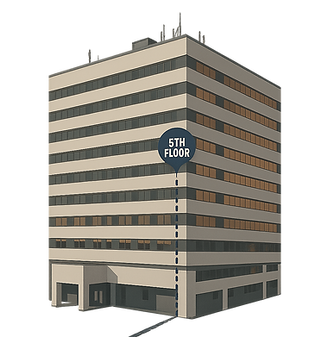
5940 Macleod Trail SW Suite 500, Calgary, AB T2H 2G4
Located at
Macleod Place II
Come find me on the 5th floor!
Just minutes from Chinook Centre, and directly off Macleod Trail, it’s easy to reach whether you’re coming from downtown, the inner city, or the southern suburbs.
Free 1 hr parking is available on-site, and the building is also well-served by public transit, including nearby LRT stations and major bus routes.